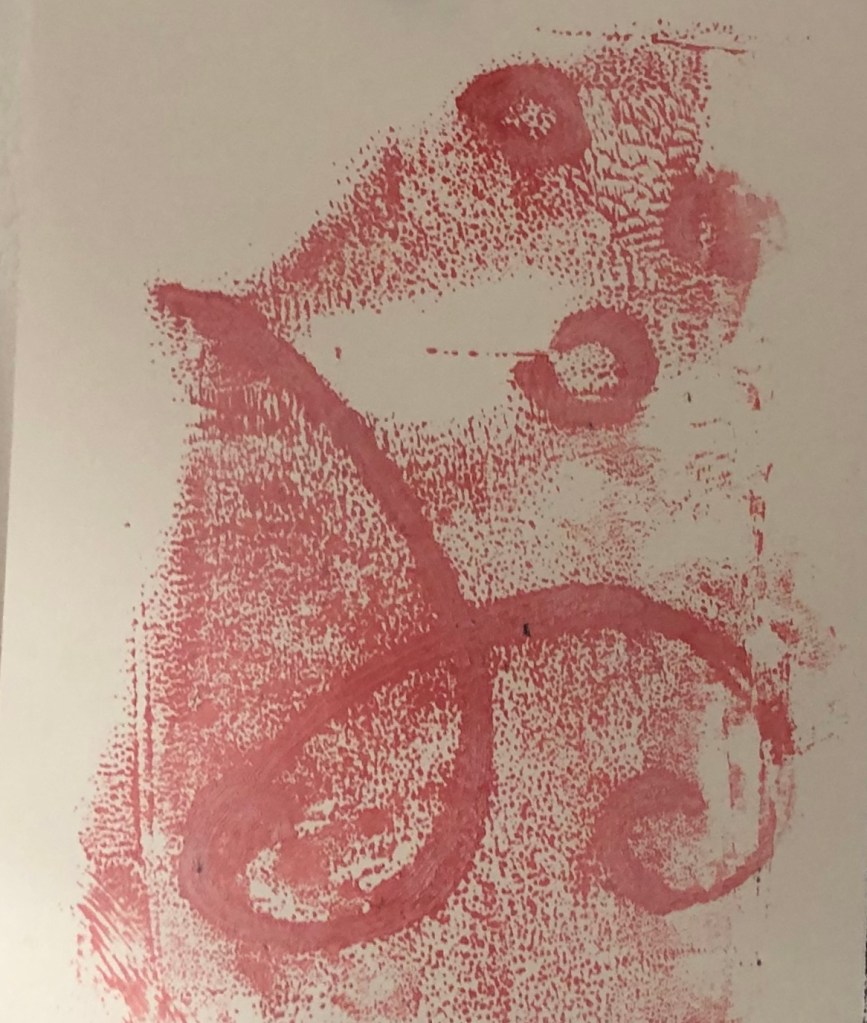
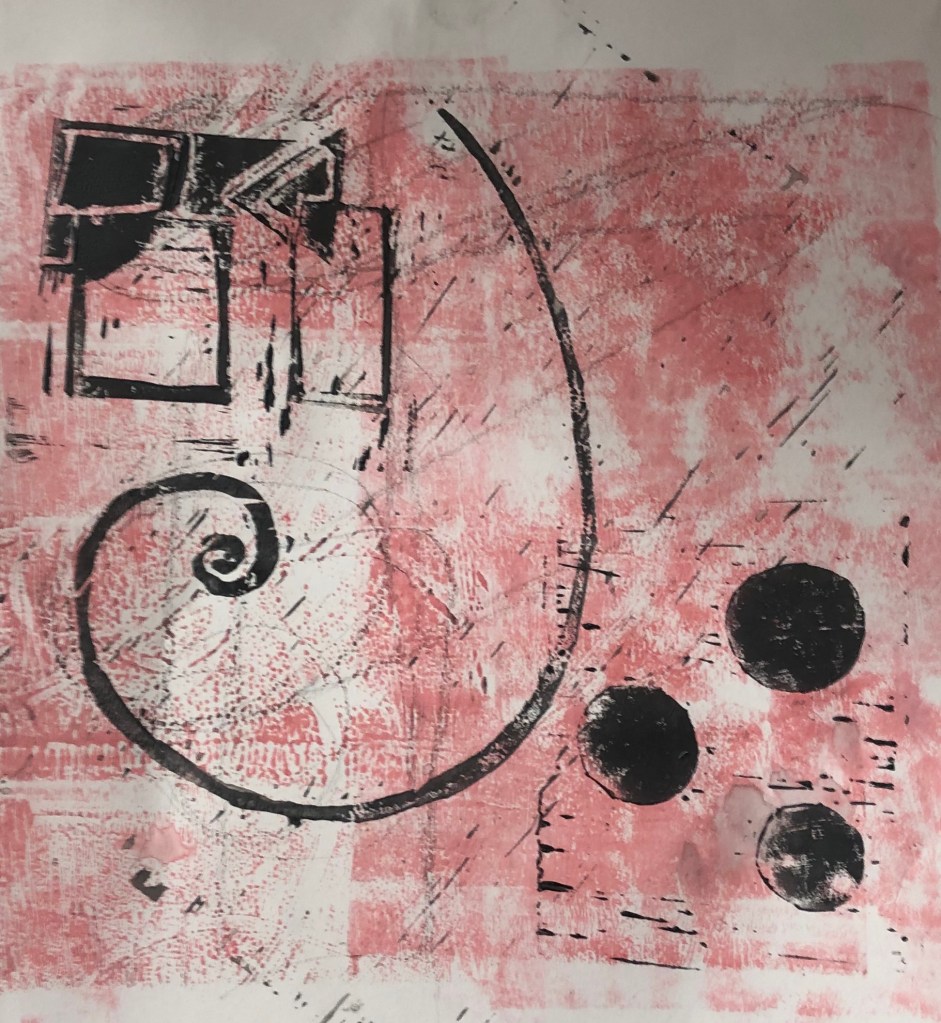
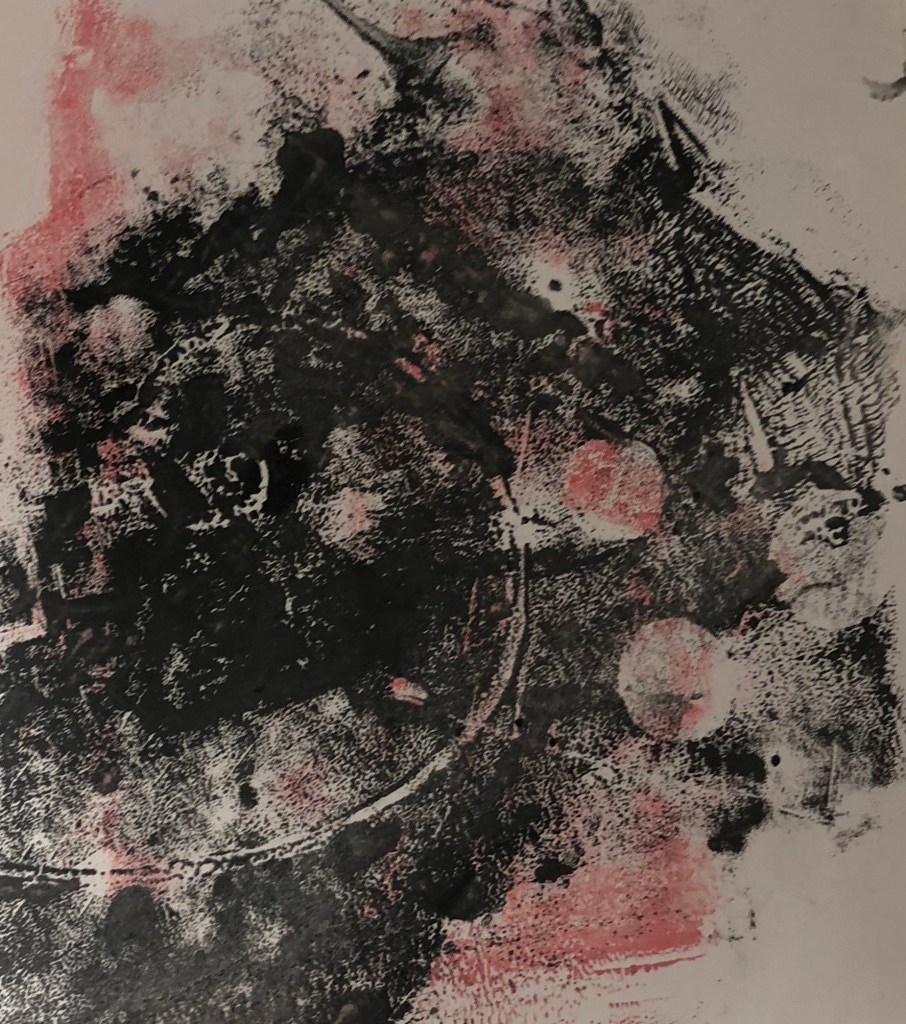
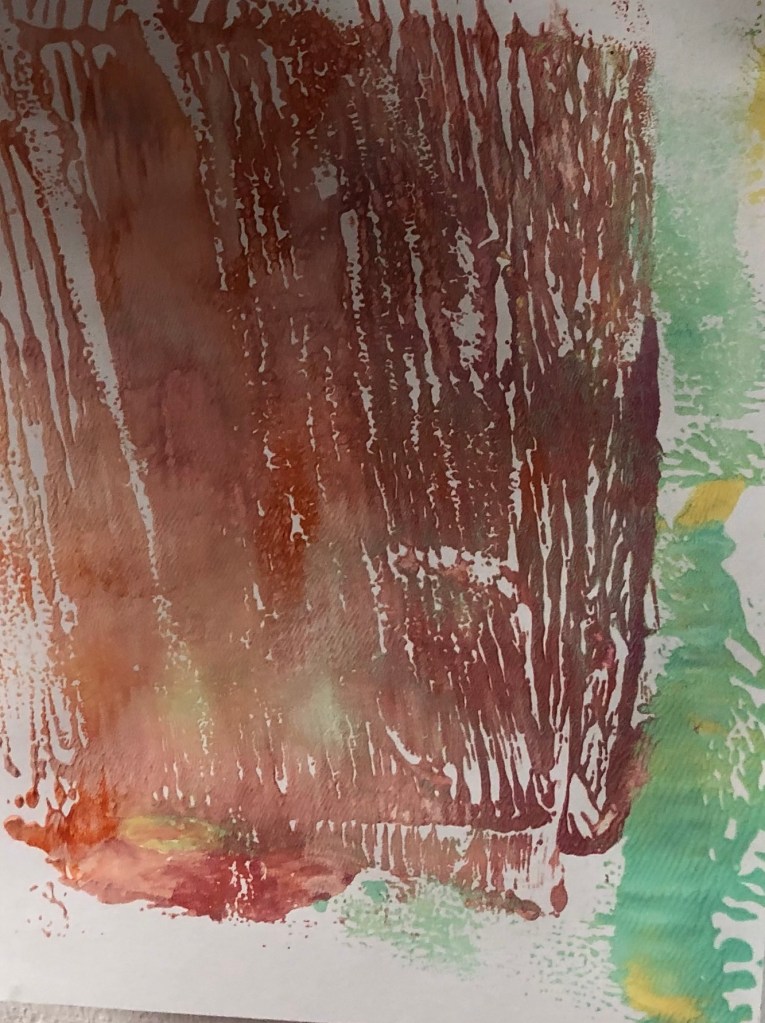
I experimented with Mono print. I rolled out ink as a based and the used the Lino prints to add the composition rules. I then used the access ink on the pallet to do a sort of reverse Mono print. I’m happy with outcome and the colours used, however I do feel that I have strayed from my project theme.
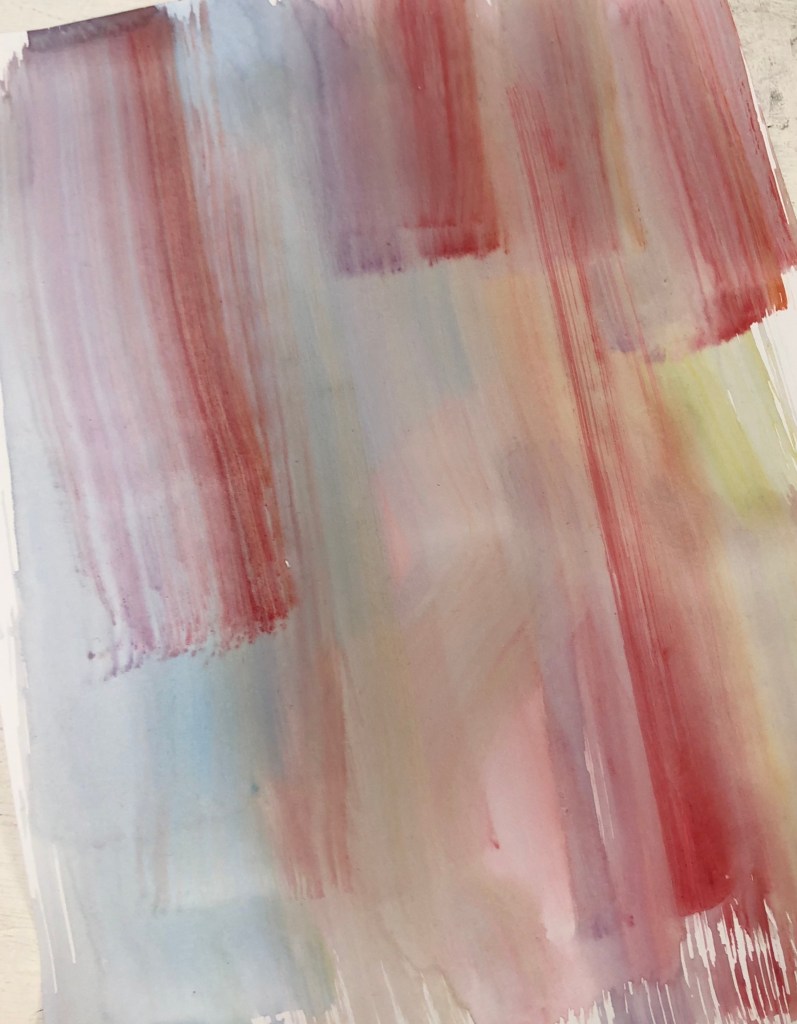
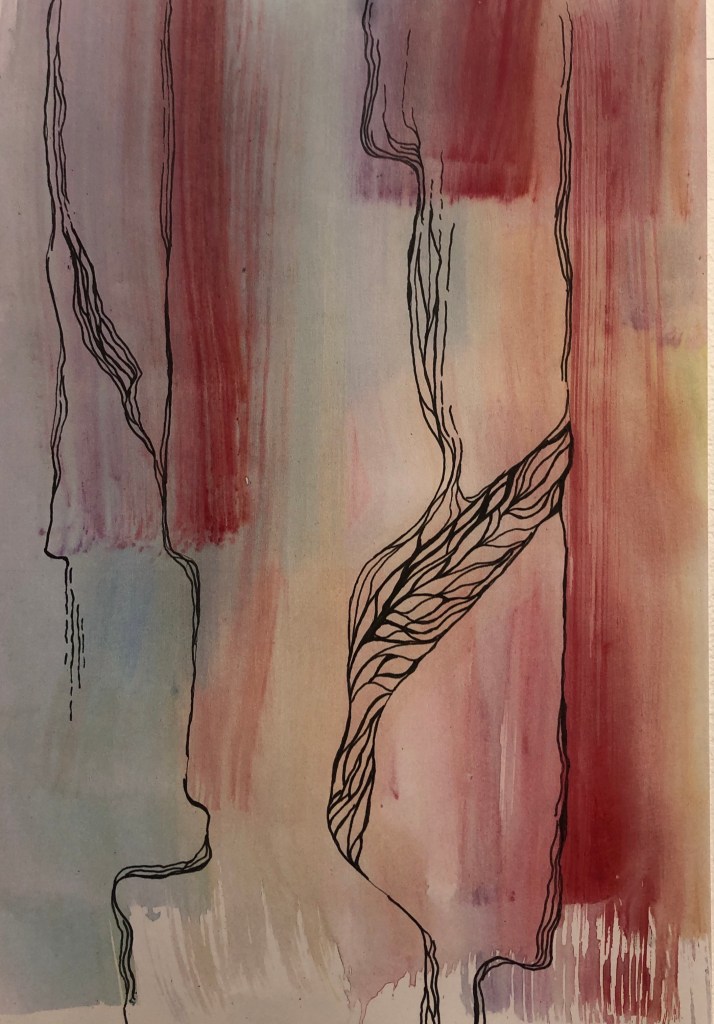
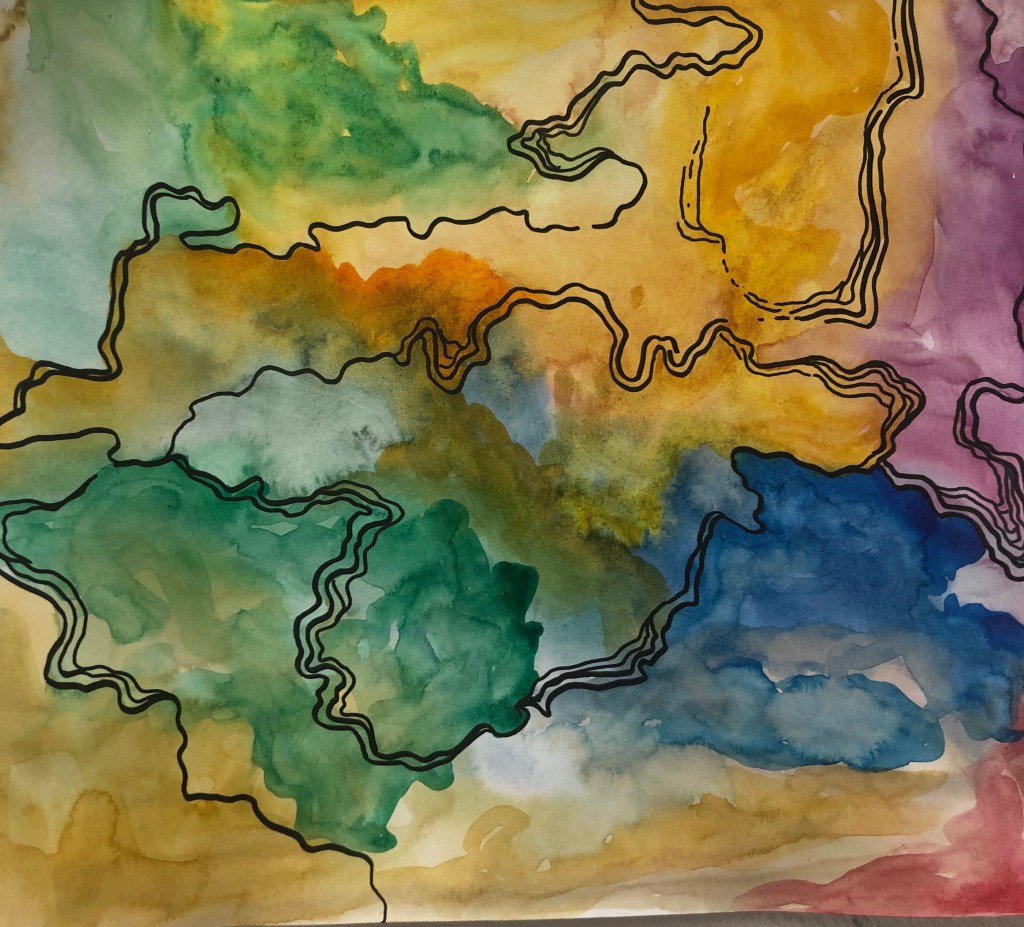
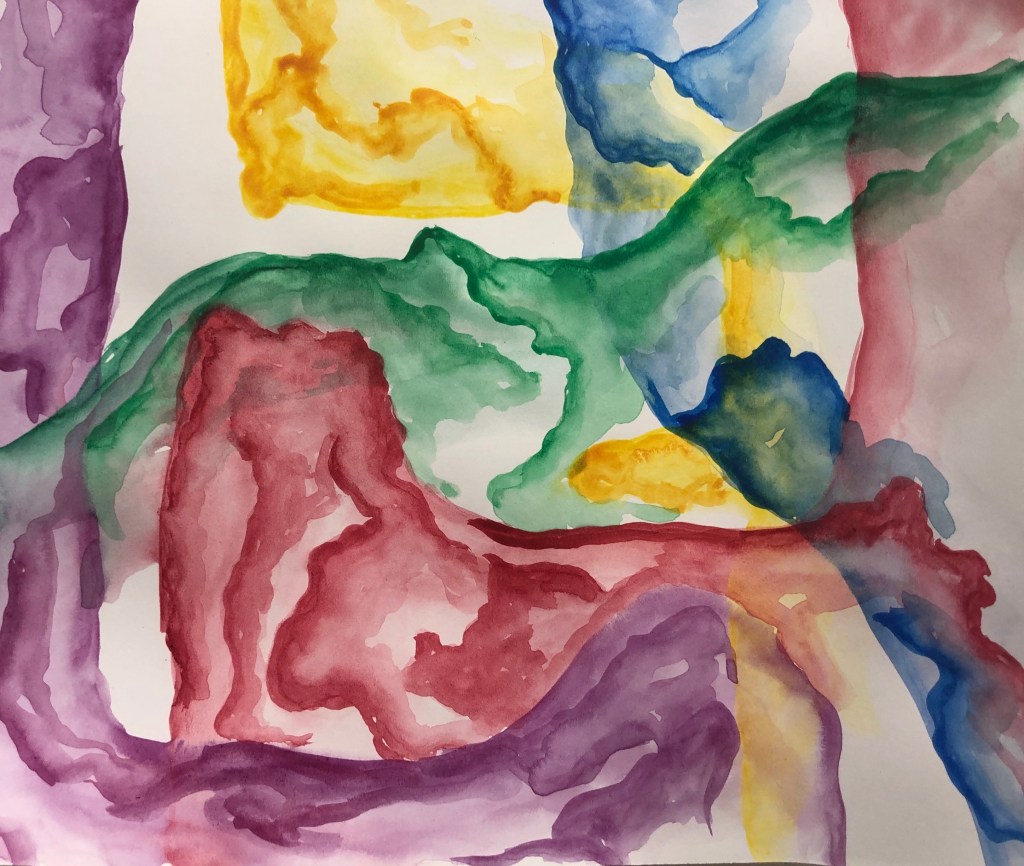
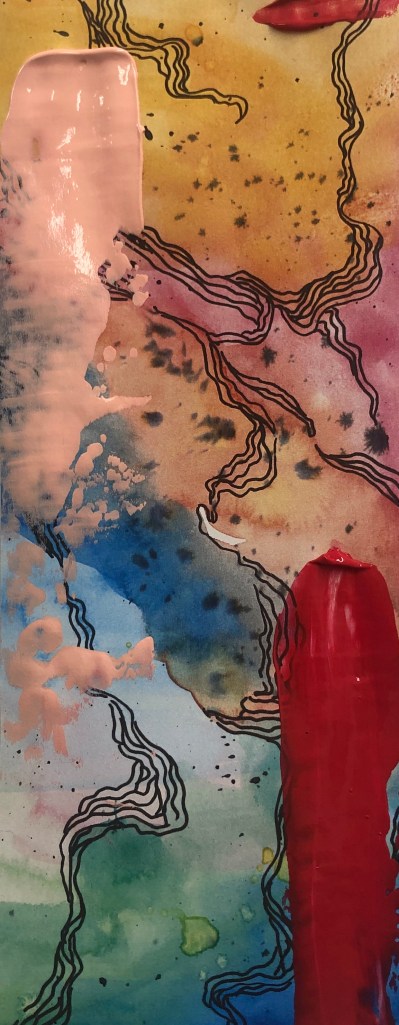
Since the start of the major project, I’ve been researching dreams and daydreaming. The stages that you dream, and the biology behind daydreaming.However, I haven’t produced any art work, so I decided to make several pieces that I feel represent dreaming. I experimented with watercolour, ink and pens. I really liked the outcome of my art work, and I think it will turn out well, when I combine it with science research to do with dreams. I do feel, however that my piece were looking flat, so I decided to add acrylic paint with a palette knife, which added to the outcome.
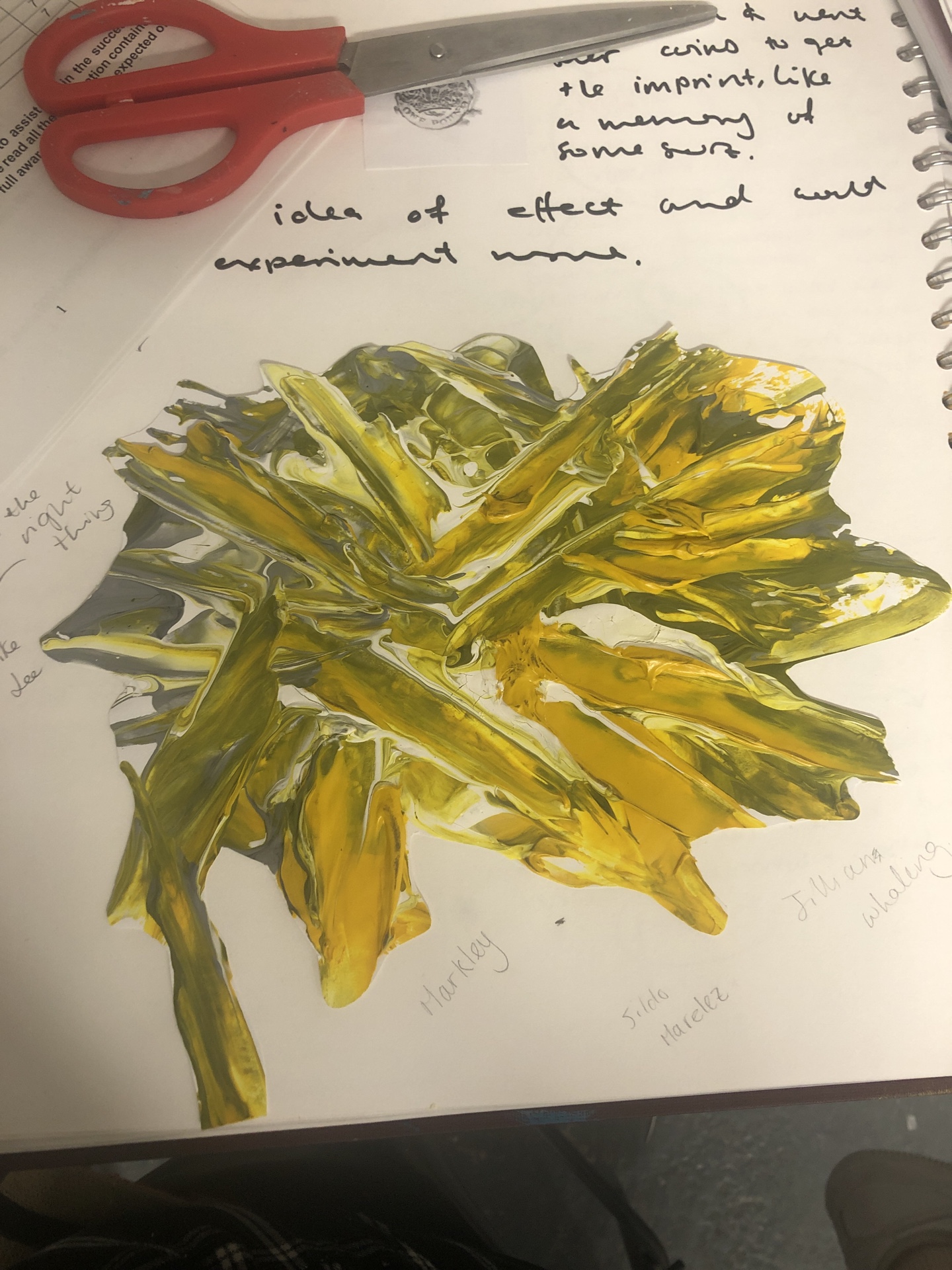
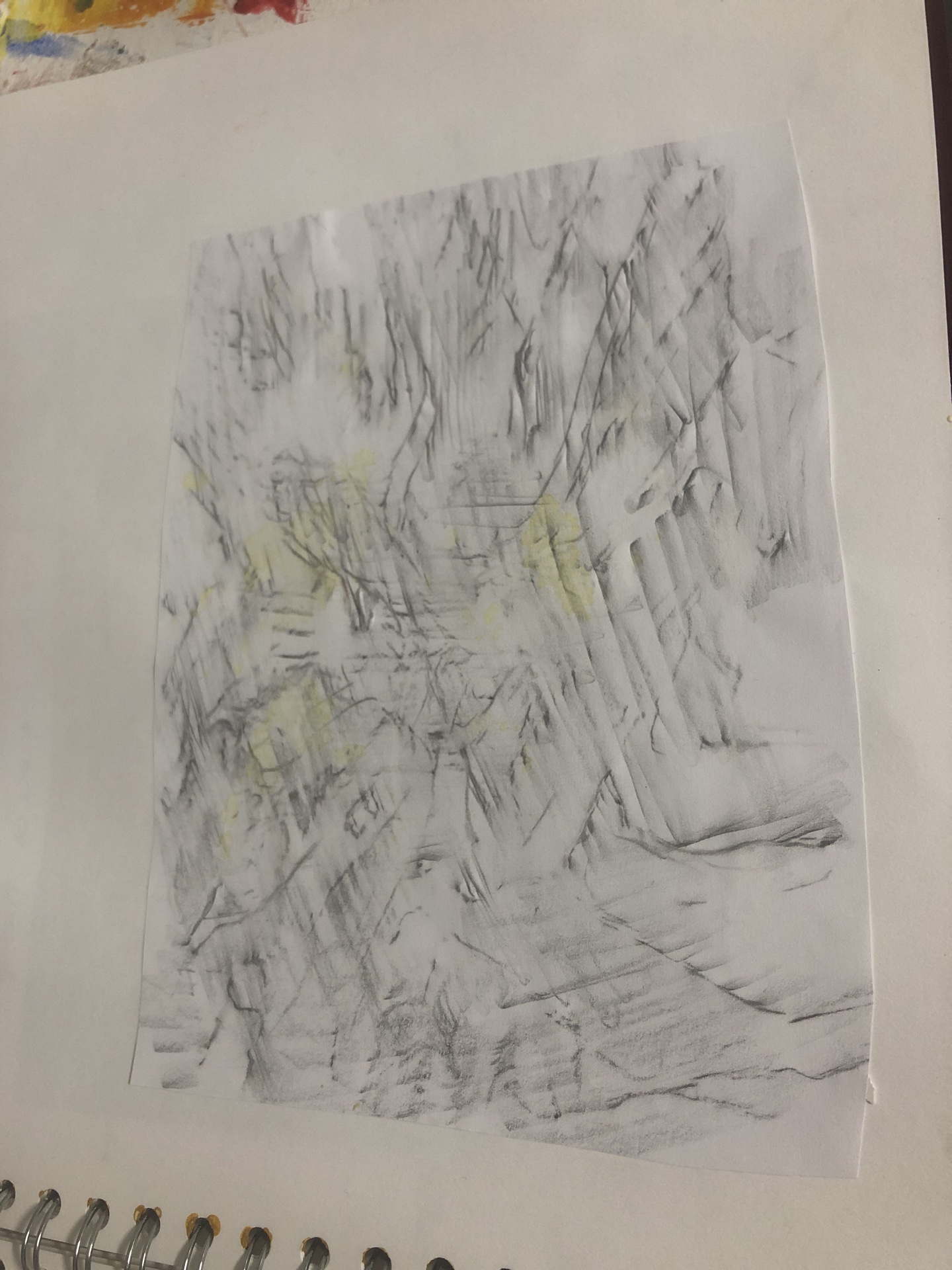
I found mark making of the coins to be really effective, so I decided to try the some technique again, but with a rougher base. With acrylic paint, I quickly layering several layers thickly, with the memory of a daisy I have when I was a child. Once dried, I repeated the imprint technique by using paper and pencil. I really liked the outcome of this piece however, I feel I am focusing too much on the media and technique side, rather then the idea and developing side.
With main theme of memory, I decided to collect three coins and to get the imprints of them by using some paper and a pencil. I feel this represents a memory as you’re taking a part of an object or scenario and keeping it. I would like to experiment with this idea more.
A lot of Tatlin’s work was in response to the Russian Revolution that was happening at the time. Many of the materials that Tatlin used was also because of the revolution. He was also known for designing The Monument to the Third International, aka Tatlin’s Tower, was was constructed to dwarf the Eiffel Tower and was made from Iron, Metal and Glass. Many of his work had a skeletal look to it and was always made from industrial materials.
itatlin001p1
VICTOR PASMORE
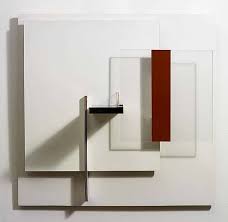
Even though Pasmore was known for his sculptors, between 1940s and 1950s, he mainly focused on fugitive work. A lot of his work was very constructionism. In a way also very minimalist, Pasmore usually uses a range of biege, white and grey.
ANOTHONY CARO
Caro mainly works with assembles of metal and industrial objects. His sculptors are very minimalist and on quite a large scale. Later on with his career Caro produced a range of sculptures that hanged on tables, creating a gravity defying illusion. I find his work really interesting and how he makes some of his sculptors look so light weight, and yet the are made of metal.
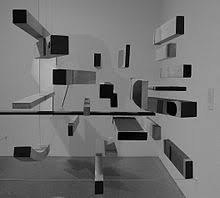
LAZLO MOHOLY-NAGY
A lot of Lazlo’s work took in mind the shadow of the sculptor. His sculptors has a sci-fi, science look. This is made by the shapes created and the materials used in making them. In a lot of his work you can se through it and walk around it. I personally like Lazlo’s pieces the most as I fond the shapes created really interesting and effective.
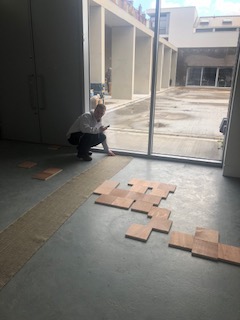
On the last day of ESW, we were paired into groups and given a limited amount of time to create installations, using objects found in the studio we were in. Our first installation was to show the imperfections of the studio and how everything was slightly off, like the cemetery of the room and how the walls where all slightly of different height, giving the studio a lop-sided look.
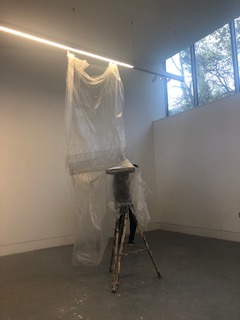
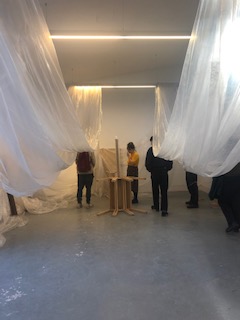
For our second installation, we didn’t talk for 5 minutes and focused on our own little installations and then combined them together to fill the studio. The materials that were used in the final installation was plastic and wood. I really enjoyed this task and having such a large space to think about and found the week as a whole very interesting as I’ve never really done sculpture, mainly painting.
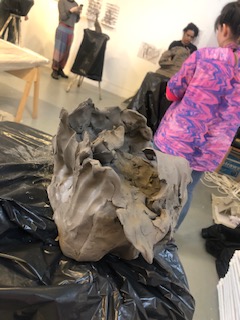
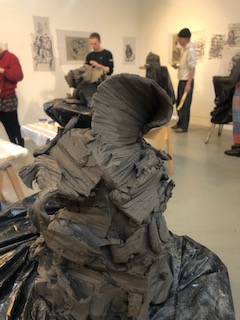
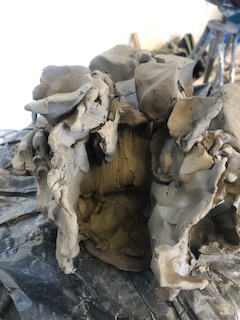
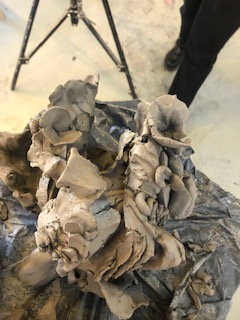
The next task of the week was to carry on the influence of the drawings made on the first day and create sculptures using clay. The first sculpture was to be created using only our fists and we then repeated the same circle as the first day. We used wooden planks to shape the clay and then lastly we used our hands and any tools we wished. This was the first time for me using clay and I really enjoyed it. I liked how you could create such a variety of textures and shapes.
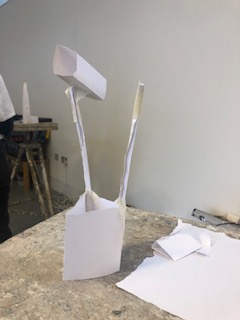
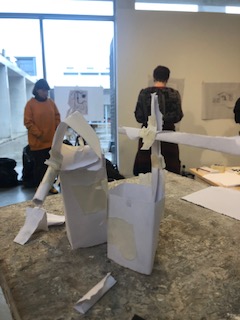
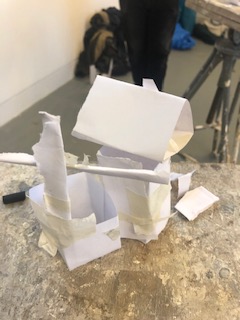
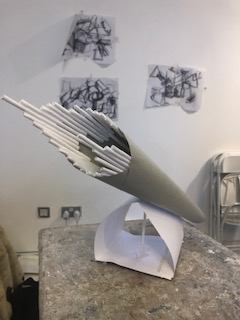
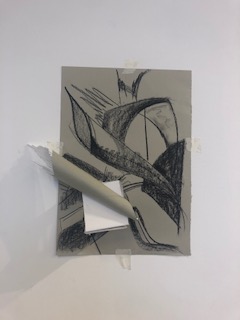
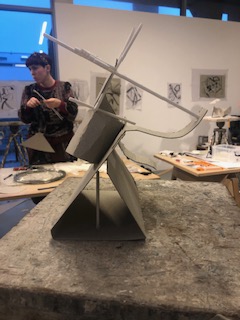
Our first task of the week was to walk around the ESW building for 15 minutes and then to make a sculpture in response. We were given a short amount of time and limited resources, which included paper, and tape to make a response. We then went on to drawing angles and shapes that were spotted in the sculptures and took influence from that to create a new sculpture piece. We repeated the task throughout the day, but each time progressed to different materials. When making the final sculpture we glued are second last piece to the drawing, which really made the piece effective. By the end of the day we were using cardboard and paper straws, glue guns and tape.
I feel this day really helped in finding a starting point for the rest of the week and a good way to introduce us to sculpture.





 theamurphyCAP